
Talk to us
07971550097
Talk to us
07971550097
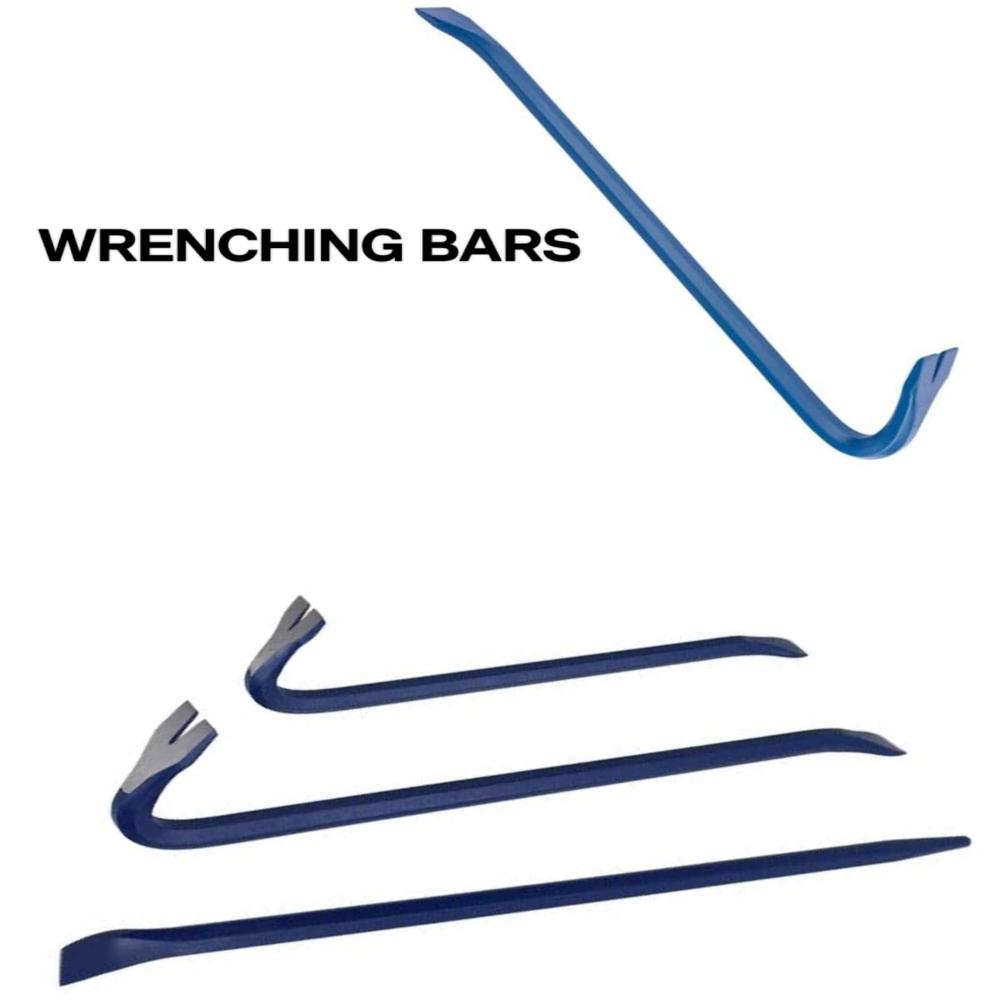
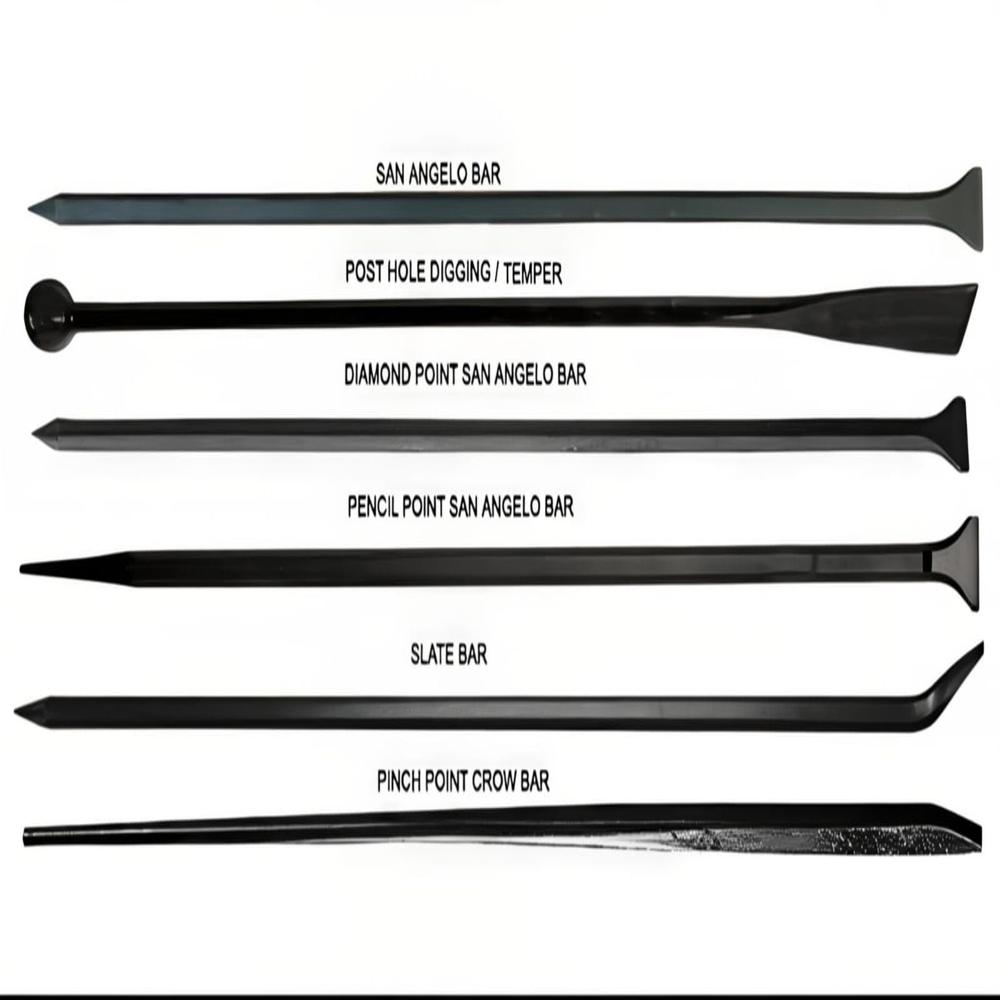
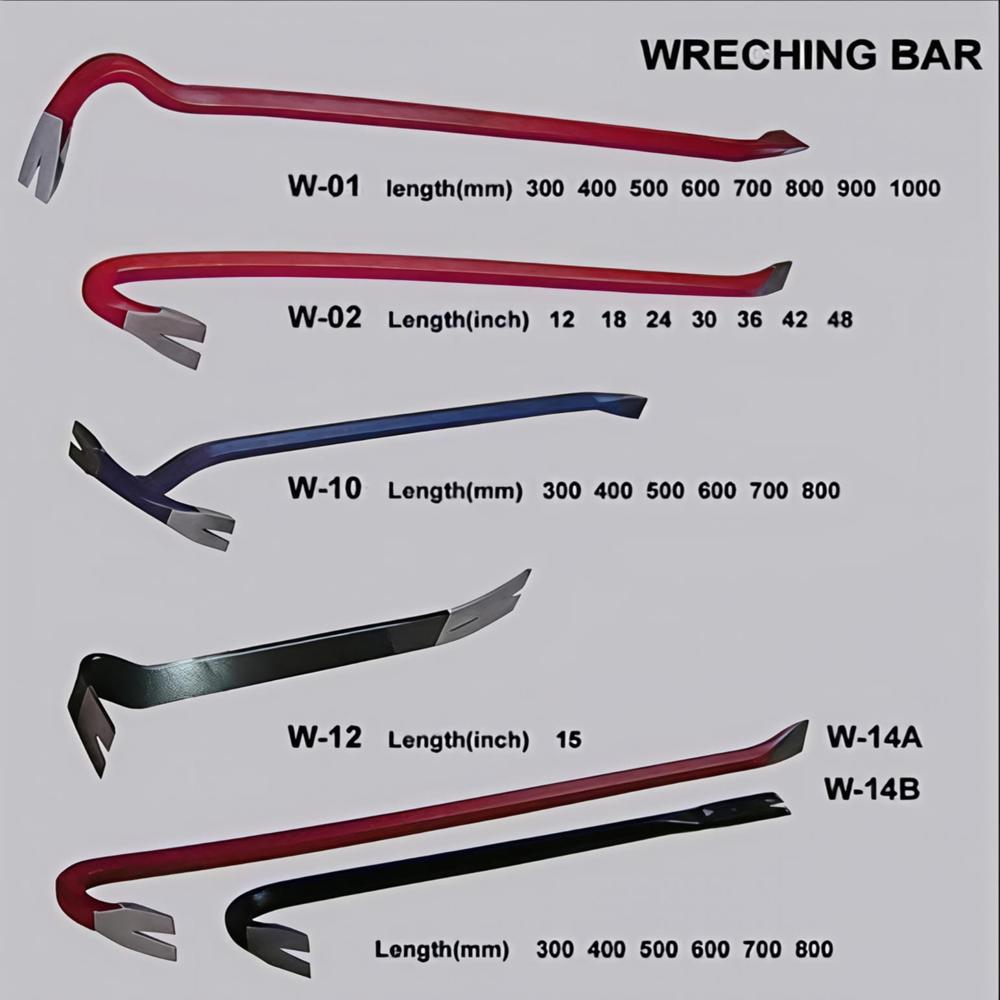

The most significant benefit is the leverage provided by its length and curved design. Most wrecking bars feature a "gooseneck" or curved end, which acts as a fulcrum. This allows you to apply a small amount of force at one end to generate a massive amount of lifting or pulling force at the other.
Wrenching bars are typically designed with a V-shaped cleft or "claw" at one or both ends.
Precision: The thin, flat tip can slide under nail heads that are flush with the wood.
Efficiency: The curve of the bar provides the rolling action necessary to pull long nails out straight, minimizing damage to the surrounding material.
These tools are built to withstand extreme pressure. Most high-quality bars are:
Drop-Forged Steel: Manufactured through a process that aligns the grain of the metal, making them extra strong and resistant to snapping.
Heat-Treated: Often made from heat-treated carbon steel to ensure the tips don't blunt or bend easily during heavy prying.
Because they often feature two different endsa chisel end and a pointed or claw endthey can be used for a variety of tasks:
Prying: Separating joined timber or prying up floorboards.
Breaking: Forcing open stuck doors or windows (in emergency or renovation contexts).
Lifting: Slightly elevating heavy machinery or crates to allow for the placement of rollers or slings.
Using a long wrecking bar (such as a 24-inch or 48-inch model) allows the user to maintain a safe distance from crumbling materials during demolition. It also reduces the physical strain on the user's back and arms by letting the tool do the heavy lifting

Price:


 Send Inquiry